
When planning a new deck, most homeowners focus on boards, colors, and layout. However, railing design trends are just as important because they affect both safety and style. A well-chosen railing frames the deck, enhances curb appeal, and even increases resale value. In fact, railing systems have become design statements in their own right, offering everything from sleek, modern lines to classic, timeless details.
Therefore, whether you’re dreaming of an expansive view, a low-maintenance solution, or a traditional look, keeping current with design trends for your railing will help you choose the perfect match for your home.
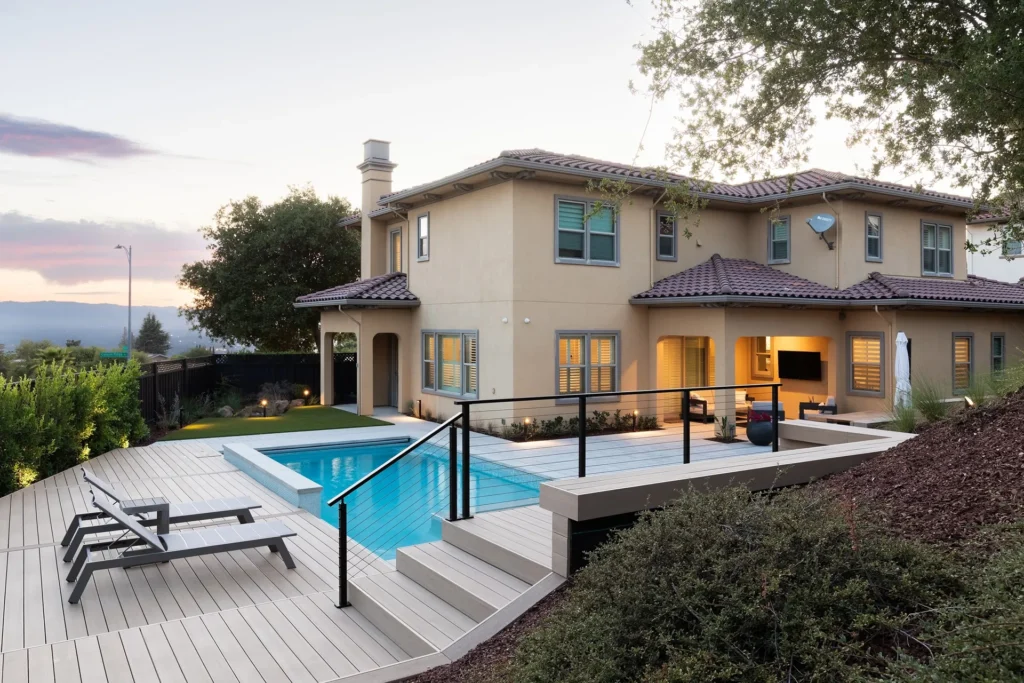
Cable Railings: Sleek & Modern
Cable railings are one of the fastest-growing choices in modern deck design. Made with stainless steel cables and minimal posts, they provide an open, airy look that highlights surrounding views. For homeowners interested in cable options, it’s clear that railing design trends favor clean lines and minimal obstruction these days.
Why they’re trending:
- Unobstructed views: Thin cables virtually disappear, making them ideal for Bay Area homes with hillside or coastal scenery.
- Modern appeal: Sleek lines pair well with contemporary architecture.
- Durability: Stainless steel resists corrosion, even in humid or salty climates.
On the other hand, cable railing systems often cost more upfront than wood or composite. They also require precise installation to maintain tension and meet safety codes. Nevertheless, many homeowners feel the investment is worthwhile for the combination of style and strength, especially since cable aligns with emerging railing design trends.
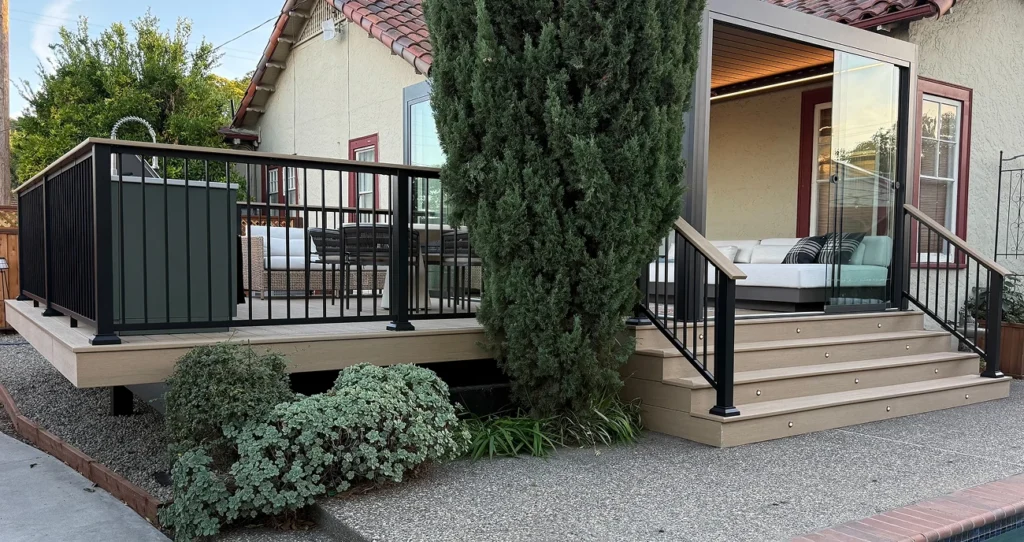
Aluminum Railings: Durable & Low-Maintenance
Aluminum railings continue to gain popularity thanks to their mix of strength and simplicity. Powder-coated finishes ensure they hold up well in tough climates, resisting rust and fading over time, which reflects current railing design trends toward durability and ease.
Why they’re trending:
- Low maintenance: Unlike wood, aluminum never needs painting or staining.
- Design flexibility: Available in a variety of colors and finishes, from sleek black to bronze or white.
- Lightweight but strong: Easy to install while still meeting strict safety standards.
Moreover, aluminum railings complement both traditional and modern homes, making them one of the most versatile options available. With all these benefits, it’s no surprise aluminum features heavily in the latest railing design trends homeowners are considering.
Composite Railings: Stylish & Sustainable
Composite railings combine recycled plastics and wood fibers, much like composite decking boards. This blend offers a sustainable choice that balances strength, aesthetics, and eco-friendliness. In fact, one reason composite options are at the forefront of current railing design trends is their eco-conscious appeal.
Why they’re trending:
- Coordinated designs: Many brands offer railings that match or complement their decking lines.
- Eco-conscious materials: Recycled content appeals to sustainability-minded homeowners.
- Consistent finish: Unlike natural wood, composites resist fading, splintering, and warping.
In addition, composite railings are available in a wide range of colors and profiles, allowing homeowners to create a custom look. Since sustainable materials and long-lasting finishes are essential components of today’s railing design trends, composite products remain popular. However, they typically cost more than pressure-treated wood and can be heavier to install.
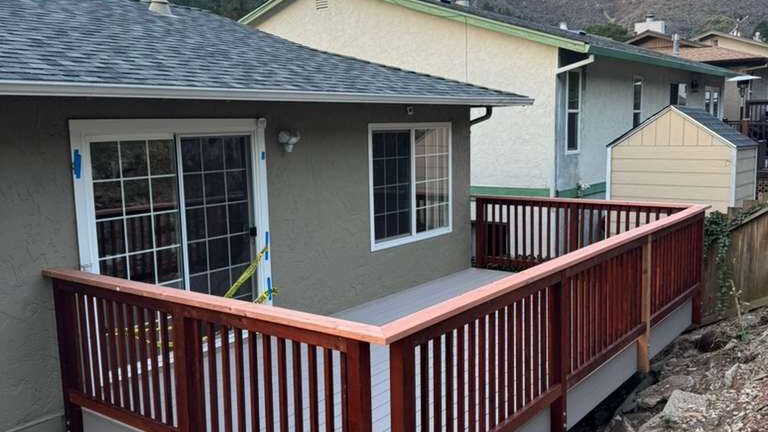
Wood Railings: Timeless & Customizable
For homeowners who love a classic look, wood railings remain a go-to choice. Whether it’s cedar, redwood, or pressure-treated pine, wood offers natural warmth and endless customization possibilities. Remarkably, wood railings have sustained their popularity despite evolving railing design trends.
Why they’re trending:
- Timeless appeal: No material matches the organic feel of real wood.
- Customizable: Can be painted, stained, or carved for a unique design.
- Cost flexibility: Pressure-treated options are budget-friendly, while hardwoods elevate luxury.
On the other hand, wood requires more upkeep than other railing types. Regular staining, sealing, or painting is needed to prevent rot and weather damage. Still, those who appreciate classic railing design trends often choose wood for its authentic charm and flexibility.
How to Choose the Right Railing for Your Deck
When deciding between cable, aluminum, composite, or wood, consider these factors. Each material has a distinct place in railing design trends, so think about what best fits your home’s style and maintenance needs.
- Climate: Coastal or damp regions benefit from cable or aluminum due to their resistance to corrosion.
- Style: Modern homes pair well with cable or aluminum, while traditional homes often look best with composite or wood.
- Maintenance: If you prefer low-maintenance, aluminum and composite are excellent choices.
- Budget: Wood offers a wide price range, while PVC and composite tend to cost more upfront but save on long-term maintenance.
Ultimately, the right railing depends on how you balance durability, style, and upkeep. For best results, follow guidance inspired by today’s railing design trends.
Railing design trends continue to evolve, blending safety with aesthetics. Cable railings offer sleek, modern lines. Aluminum railings deliver durability and low maintenance. Composite railings bring sustainability and style, while wood railings remain timeless and customizable.
Therefore, no matter which option you choose, your deck will benefit if you consider how railing design trends can elevate the space, enhance curb appeal, and create an inviting outdoor area.
