
If you live in the Bay Area, you already know one thing: the weather can change dramatically within just a few miles. From foggy coastal mornings to hot inland afternoons, these microclimates don’t just affect how you dress; they also play a big role in how your deck performs over time.
When choosing between PVC and composite decking, understanding how each material reacts to Bay Area conditions can save you money, maintenance, and long-term headaches.
What Are Bay Area Microclimates?
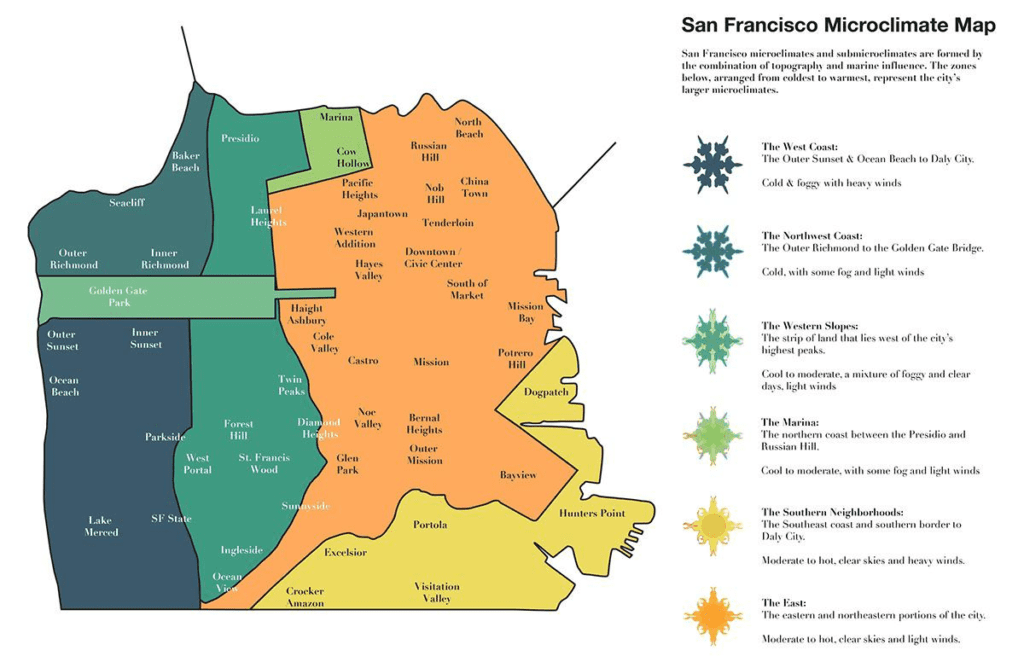
The Bay Area is made up of several distinct climate zones, often within minutes of each other:
- Coastal & fog-heavy areas (San Francisco, Pacifica, Half Moon Bay)
- Mild peninsula zones (San Mateo, Burlingame, San Carlos)
- Hot inland valleys (Walnut Creek, Concord, Livermore)
Each environment impacts decking materials differently, especially PVC and composite.
PVC Decking Performance by Microclimate
Coastal & Foggy Areas
PVC decking performs exceptionally well in high-moisture environments.
Why it works:
- 100% synthetic (no organic material)
- Won’t absorb moisture
- Resistant to mold, mildew, and salt air
Best for:
Homes near the coast or areas with frequent fog and marine layers.
Hot Inland & High-Sun Zones
PVC also excels in full-sun environments.
Benefits:
- Lower heat retention compared to many composites
- Minimal expansion and contraction
- Color stability in extreme sun
Consideration:
Higher upfront cost, but excellent long-term performance.
Composite Decking Performance by Microclimate
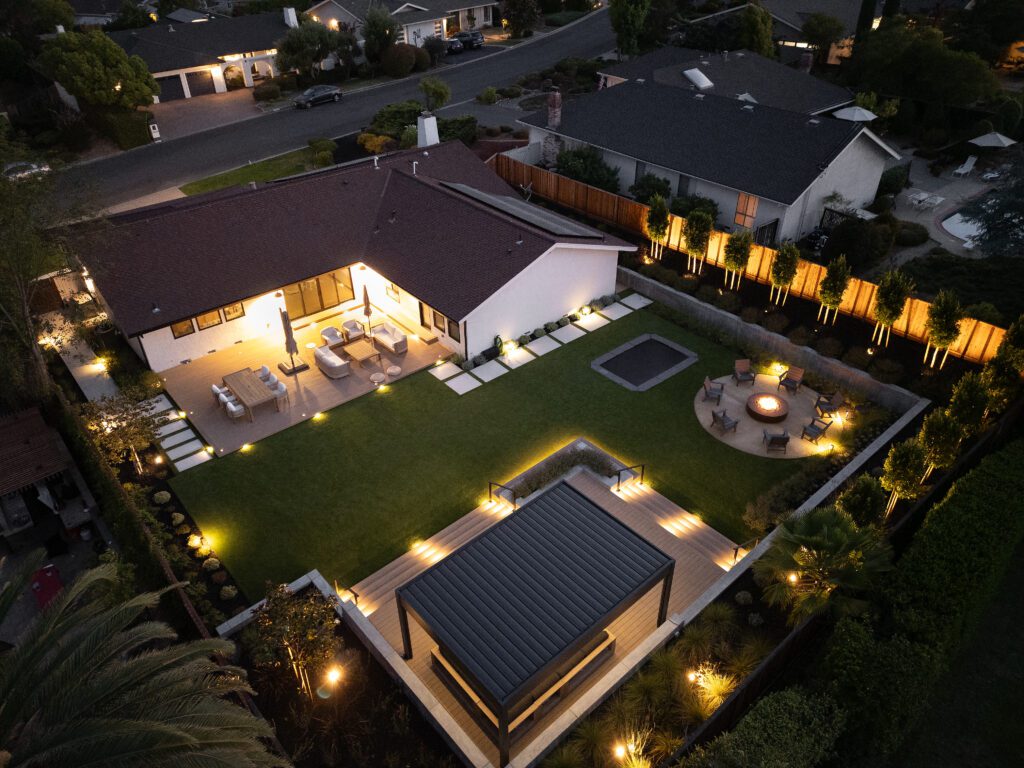
Composite decking, especially capped composite products from TimberTech, performs well across the Bay Area, but the climate matters.
Coastal & Foggy Zones
What to know:
- Modern capped composites resist moisture well
- The protective cap prevents water absorption
Best practice:
Choose fully capped boards designed for wet climates.
Inland Heat & Sun Exposure
Performance notes:
- Newer composites handle UV better than older generations
- Lighter colors perform best in high heat
- Some expansion is normal and must be accounted for in the installation
Design tip:
Proper spacing and ventilation are critical in hot areas.
Expansion, Moisture & Movement: Why Installation Matters
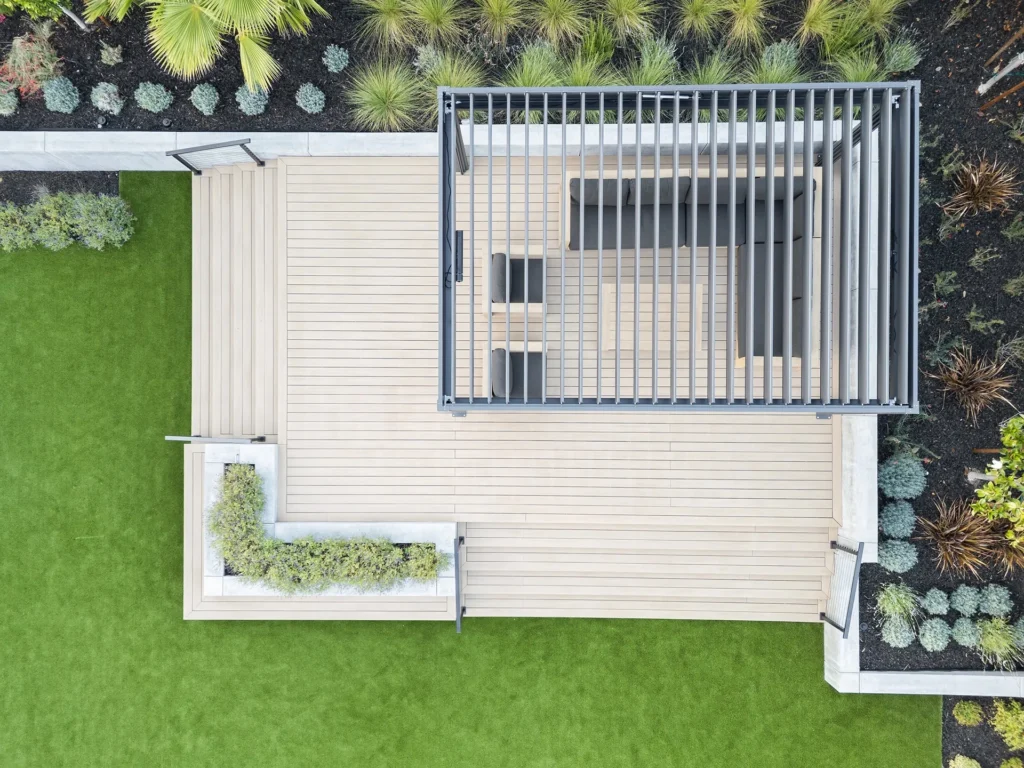
In microclimate regions like the Bay Area, installation quality is just as important as material choice.
Key factors include:
- Proper gapping for expansion and contraction
- Adequate airflow under the deck
- Correct fastening systems
- Climate-appropriate framing design
A well-installed composite deck in the East Bay can outperform a poorly installed PVC deck on the Peninsula — and vice versa.
PVC vs Composite: Bay Area Recommendation
| Microclimate | Best Choice |
|---|---|
| Coastal / Foggy | PVC |
| Full Sun / Inland Heat | PVC or Light-Color Composite |
| Mixed Conditions | Capped Composite |
| Low Maintenance Priority | PVC |
| Budget-Conscious, Long Term | Composite |
In the Bay Area, there’s no one-size-fits-all decking solution. The best material depends on where your home sits, how much sun it gets, and how you plan to use your deck.
PVC and composite are both excellent options, but choosing the right one for your specific microclimate makes all the difference in comfort, durability, and long-term value.
Not sure which decking material is best for your microclimate?
Schedule a free site visit and get expert recommendations tailored to your Bay Area home.
