
In California, your deck isn’t just an outdoor feature; it’s a place for barefoot mornings, family BBQs, and sunset lounging. But under strong sun exposure, some decking materials can get surprisingly hot, making comfort (and safety) a real concern.
So which decking materials stay cooler underfoot? And what should California homeowners actually prioritize? Let’s break it down.
Why Deck Temperature Matters in California
Between coastal sun, inland heat waves, and long summer days, deck surface temperature directly affects:
- Barefoot comfort (especially for kids and pets)
- Usability during peak hours
- Long-term enjoyment of your outdoor space
While no decking stays cold in full sun, some materials manage heat far better than others.
How Deck Materials Handle Heat
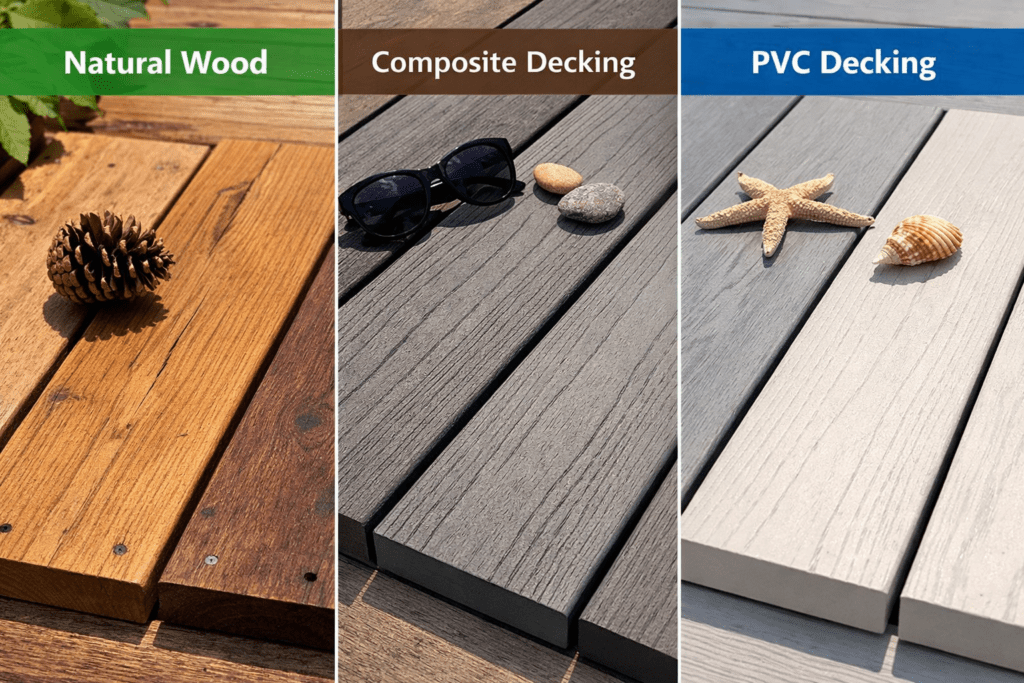
Natural Wood (Redwood, Cedar, Ipe)
Heat Performance: ⭐⭐⭐⭐☆
Natural wood tends to stay cooler than many composites, especially when lighter in color.
- Redwood and cedar perform well in coastal and shaded areas
- Dense hardwoods like Ipe absorb more heat but cool down faster once shaded
Trade-off: Requires regular maintenance to prevent splintering, fading, and cracking.
Traditional Composite Decking
Heat Performance: ⭐⭐☆☆☆
Early-generation composites are known for retaining heat, especially darker boards.
- Dark browns and dark grays can become uncomfortable in direct sunlight
- Texture and density increase heat absorption
Upside: Low maintenance and long lifespan.
Advanced Capped Composite (Heat-Reflective Technology)
Heat Performance: ⭐⭐⭐⭐☆
Newer capped composites — like those from TimberTech — are engineered to reduce heat absorption.
- Lighter colors reflect more sunlight
- Polymer caps help limit heat retention compared to older composites
Best balance for homeowners wanting low maintenance and comfort.
PVC Decking
Heat Performance: ⭐⭐⭐⭐⭐
PVC decking often stays coolest underfoot, especially in lighter shades.
- No organic material to trap heat
- Excellent for full-sun decks and barefoot households
Consideration: Typically higher upfront cost.
Color Matters More Than You Think
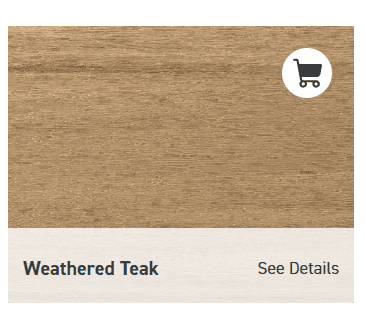
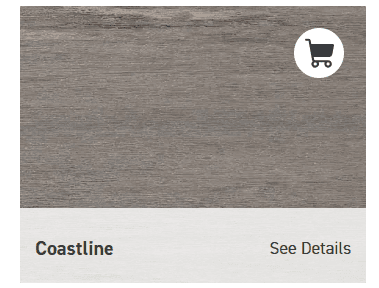
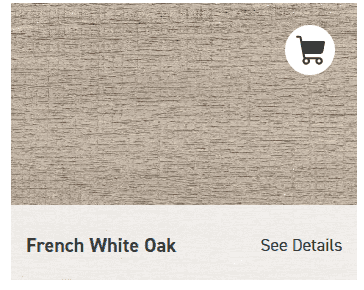
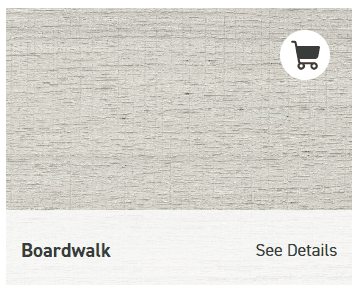
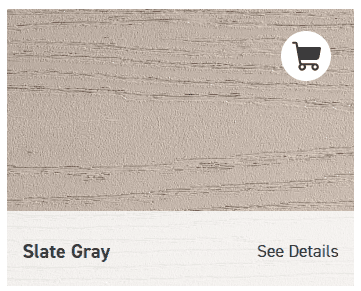
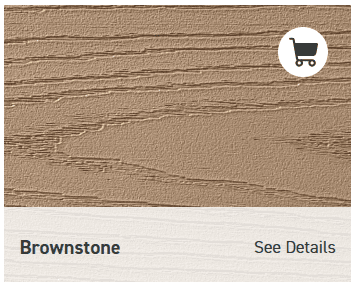
Regardless of material, color plays a huge role in deck temperature.
- Light gray, tan, and beige stay noticeably cooler
- Dark espresso and charcoal absorb significantly more heat
In the California sun, choosing a lighter tone can reduce surface temperature by 20–30°F.
Smart Design Choices to Reduce Heat
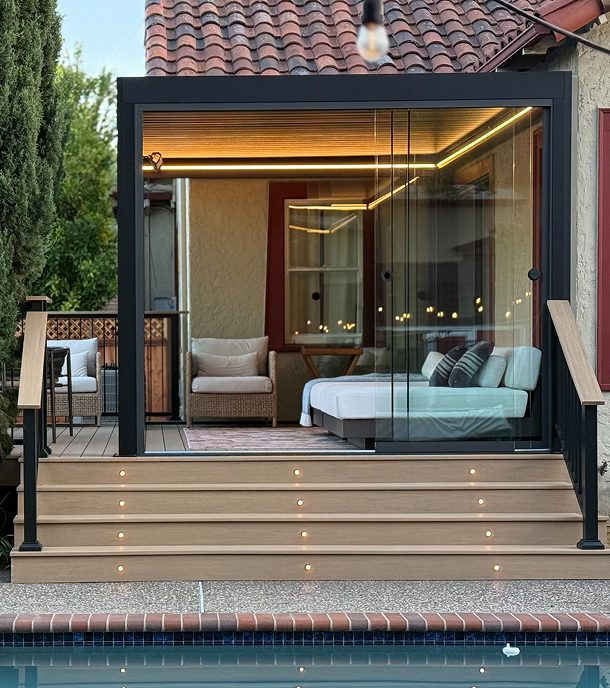
Even the best material benefits from smart planning:
- Partial shade structures or pergolas
- Strategic orientation to limit midday sun
- Rugs in high-traffic lounging areas
- Mixing materials (cool zones + seating zones)
A well-designed deck feels cooler — even on hot days.
So… Which Decking Is Best for California?
Quick answer:
- Best overall comfort: PVC decking
- Best balance of comfort + low maintenance: Advanced capped composite
- Most natural feel & cooler touch: Light-colored natural wood
The right choice depends on your sun exposure, lifestyle, and how you actually use your deck.
In California, deck comfort isn’t just about looks — it’s about livability. Choosing a material that stays cooler means more barefoot mornings, happier pets, and a deck you’ll actually use year-round.
If you’re planning a deck and want help choosing the best option for your climate, exposure, and lifestyle, a professional consultation can make all the difference.
Not sure which decking material will stay coolest in your backyard?
Schedule a free site visit, and we’ll help you choose the best option for your sun exposure and lifestyle
